PRIMED JOURNAL · TRAINING / RECOVERY / PERSPECTIVE
Better endurance decisions,
explained.
Training, recovery and the technology behind an AI coach that adapts to you.
FEATURED STORY

Why Recovery Scores Disagree, and How Primed Interprets Conflicting Signals
Garmin says you need 48 hours of recovery, Oura gives you an 88 Readiness score, and WHOOP shows a yellow 52%. Why do wearable algorithms disagree, and how does Primed find the physiological truth?
ESSENTIAL READING
Start here
Foundational reading on training data and the decisions it can inform.

AI Endurance Coaching: What It Can Do, What It Cannot, and Who It Is For
There is immense noise around artificial intelligence in fitness. Cutting through the marketing claims reveals what an AI coach can genuinely solve today, where it fails, and who actually benefits from using one.
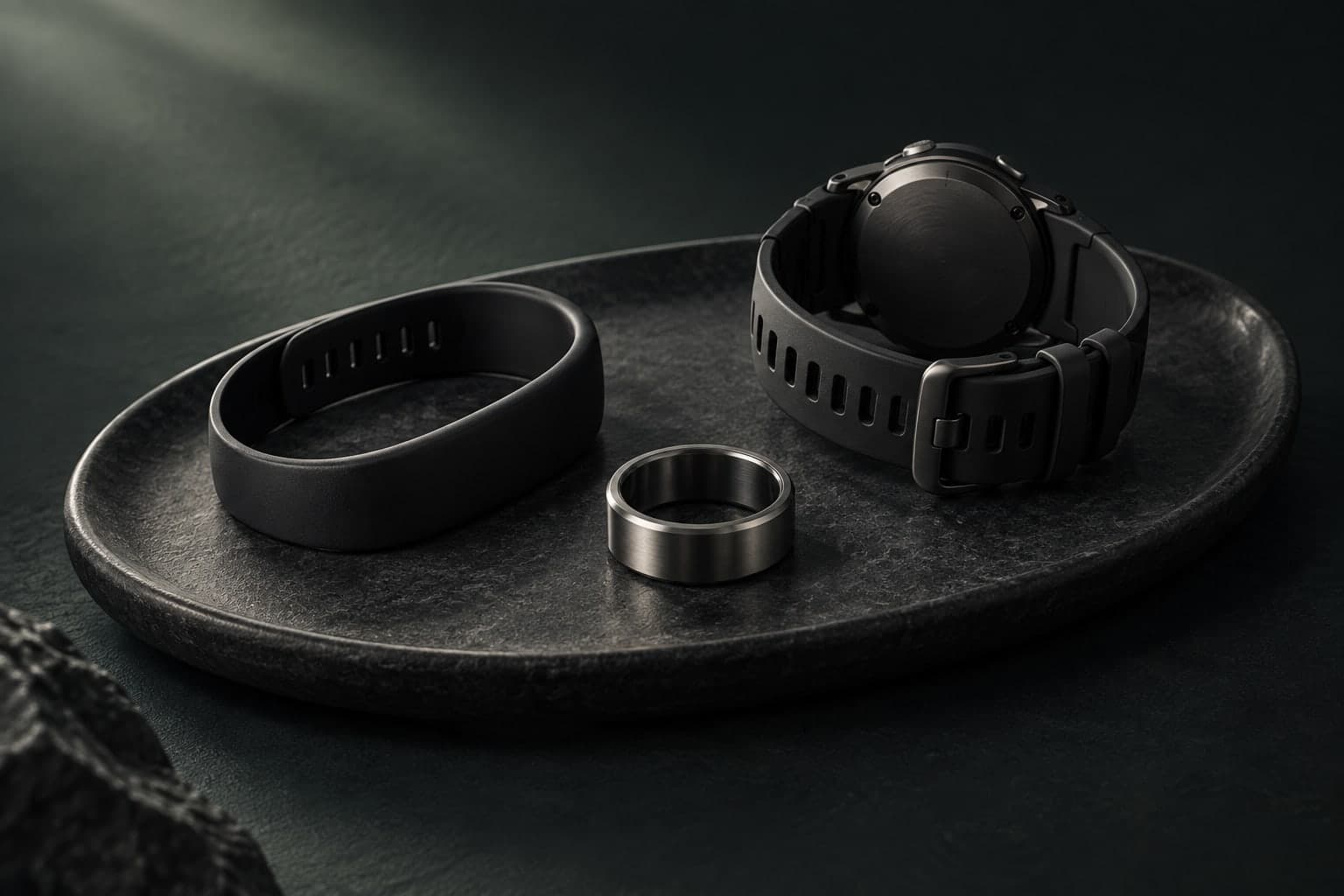
How Primed Combines Garmin, Oura, WHOOP and Apple Health
Most athletes record workouts on one device, sleep on another, and daily steps on a third. Here is how Primed ingests, normalizes, and reconciles data across disparate wearable ecosystems into one continuous timeline.

From 12 Weeks of Data to Today’s Workout: A Worked Primed Example
How does an AI coaching engine actually take three months of multi-wearable telemetry, power files, and sleep logs to decide what you should do today? Here is a step-by-step technical teardown.
FROM THE JOURNAL
Latest articles
Showing 6 of 33

Zwift Coach and conversational coaching: what should riders look for?
A training plan is useful. The real test of a coach is what happens when your week stops going to plan. Here is what riders should look for in conversational coaching.

Your VO₂ max is a trend, not a daily training verdict
Your watch says your VO₂ max has dropped. Have you lost fitness, or has the estimate changed? Here's how to tell what the number is really saying.

Training load isn’t fitness: what your wearable’s numbers actually mean
Your watch can tell you how much work you’ve done, but not whether more training is what you need. Here’s how to separate effort, fitness and readiness.

Beyond FTP: What Modelled Power Reveals About Your Cycling
Two cyclists can have the same FTP but perform very differently in a race. A power-duration model helps explain why, and how understanding your strengths, weaknesses and ability to resist fatigue can lead to better training decisions.
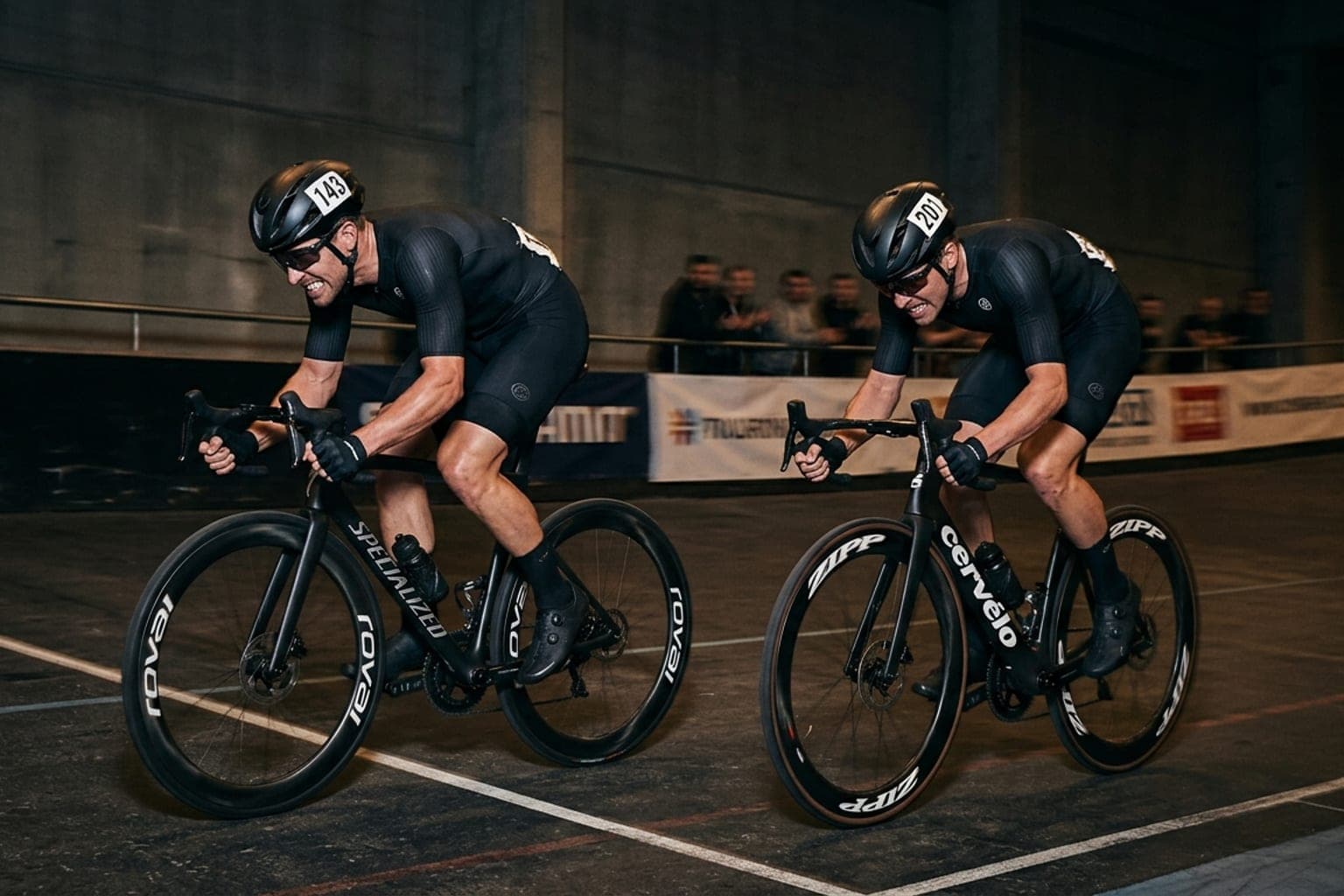
Zwift Sprint Strategy: Final-Kilometre Positioning, Timing and Launch
When should you move up in the final kilometre, when should you launch your sprint, and why does peak 5-second power often lose in Zwift? Learn practical sprint tactics.

Why You Keep Getting Dropped in Zwift Races (Even With a Good FTP)
Have a solid FTP for your category but still lose the bunch on starts, short climbs or crests? Learn how to diagnose whether you are getting dropped tactically or physiologically.
FOLLOW A THREAD
Editorial collections
Explore recurring questions across training, recovery and the product.
The Decision Room
Training decisions, the available evidence and the reasoning behind the next session.
Signals in Conflict
What to do when recovery scores, biometrics and subjective experience disagree.
N-of-1
Training experiences and examples, viewed through the needs of an individual athlete.
Inside the Coach
Transparent explanations of how Primed interprets data.
Building Primed
The LLM-first, AI-built and Dark Factory journey behind the product.
FROM READING TO TRAINING
Your next session.
A clearer direction.
Bring your training, recovery and how you feel to a conversation with your coach.